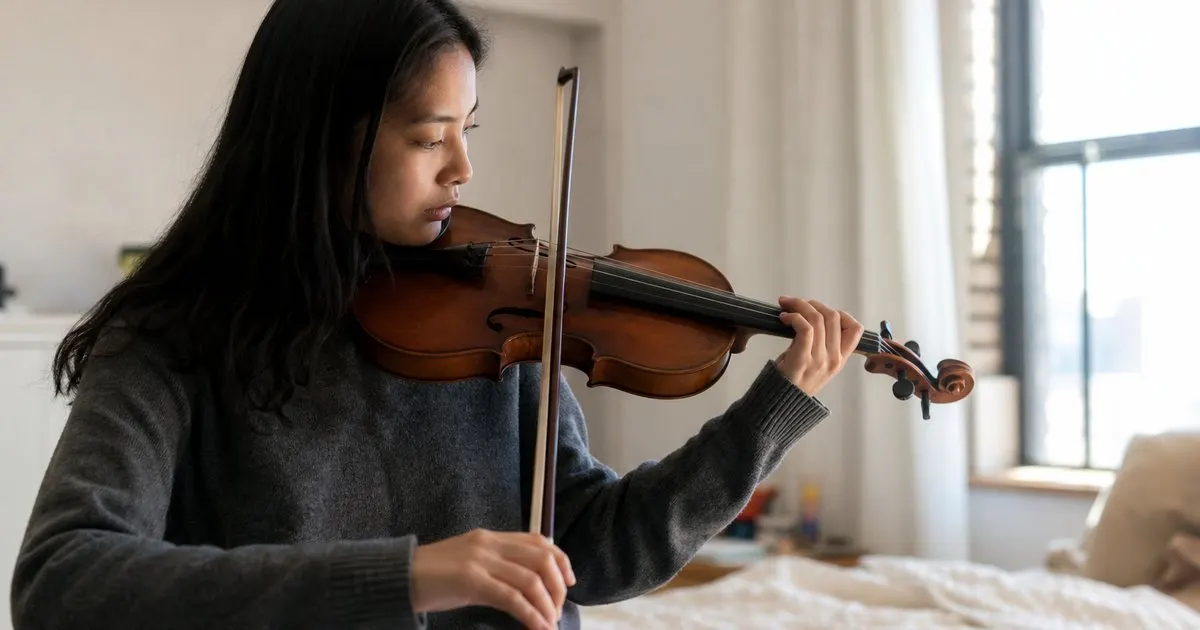
Practice logging
How Can Students Build a Daily Practice Habit That Actually Sticks?
Talent matters less than showing up every day. Here is how a student can build a practice habit that lasts.
Practical, honest advice from the team behind PracticeLoggr, written to help you do this well.
Talent matters less than showing up every day. Here is how a student can build a practice habit that lasts.

Streaks can inspire or crush a young learner. Here is how to keep them a source of motivation, not pressure.

Writing down practice sounds trivial, but it changes results. Here is why logging drives real improvement.
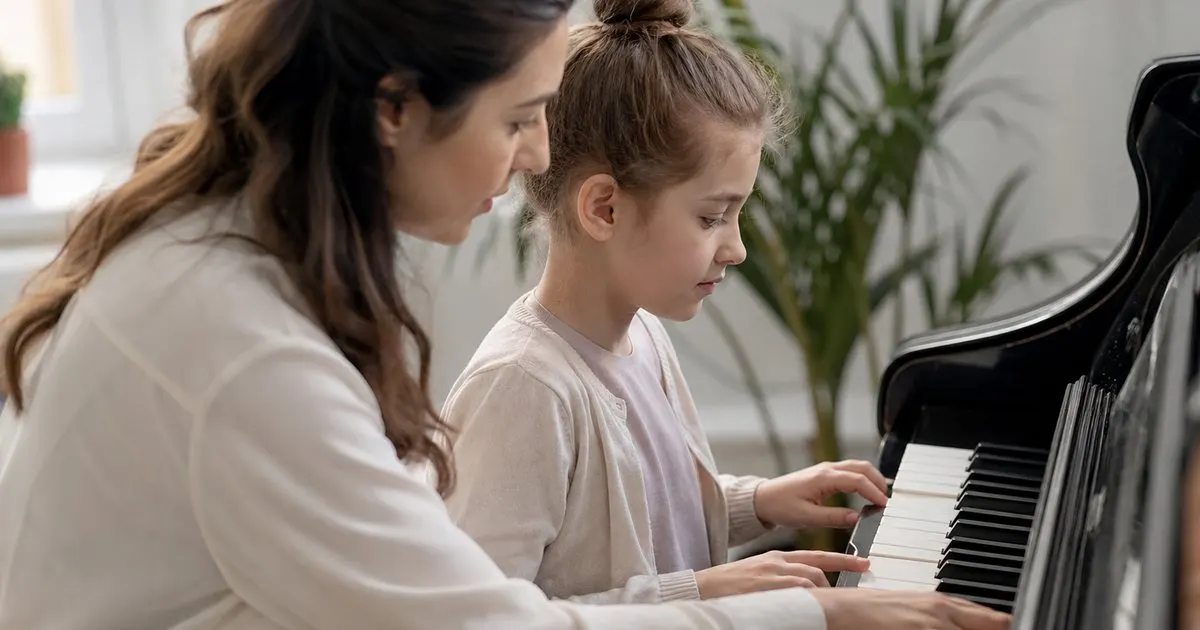
The right weekly goal keeps a beginner progressing without overwhelm. Here is how a teacher can set goals that work.
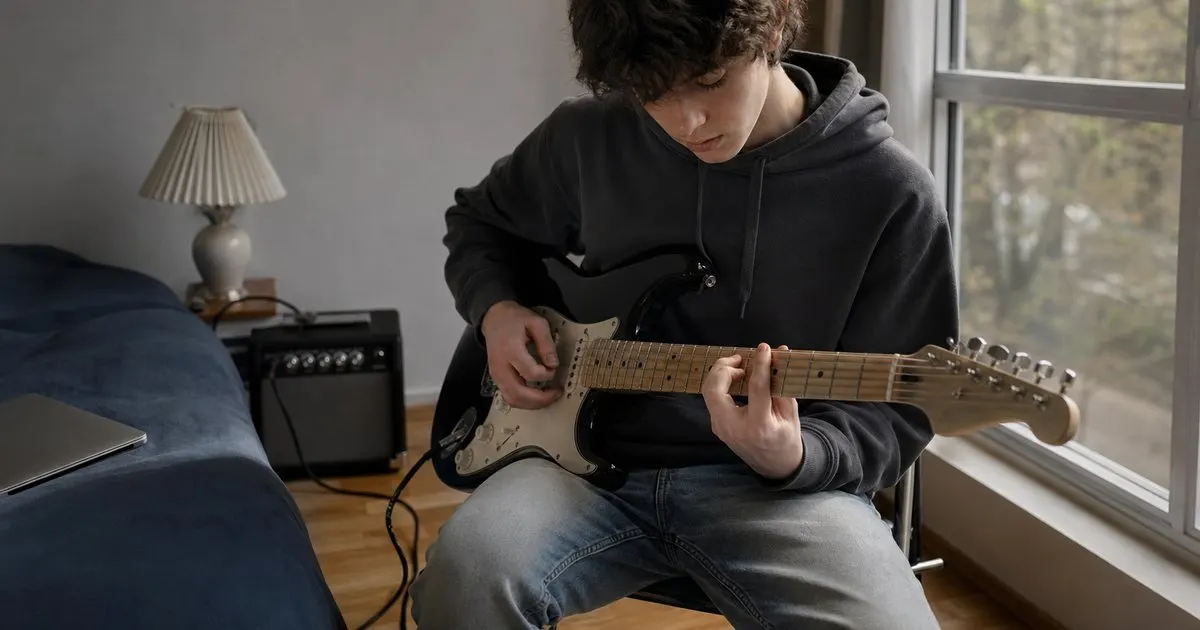
More minutes is not always better practice. Here is when focus and quality matter more than the number on the clock.
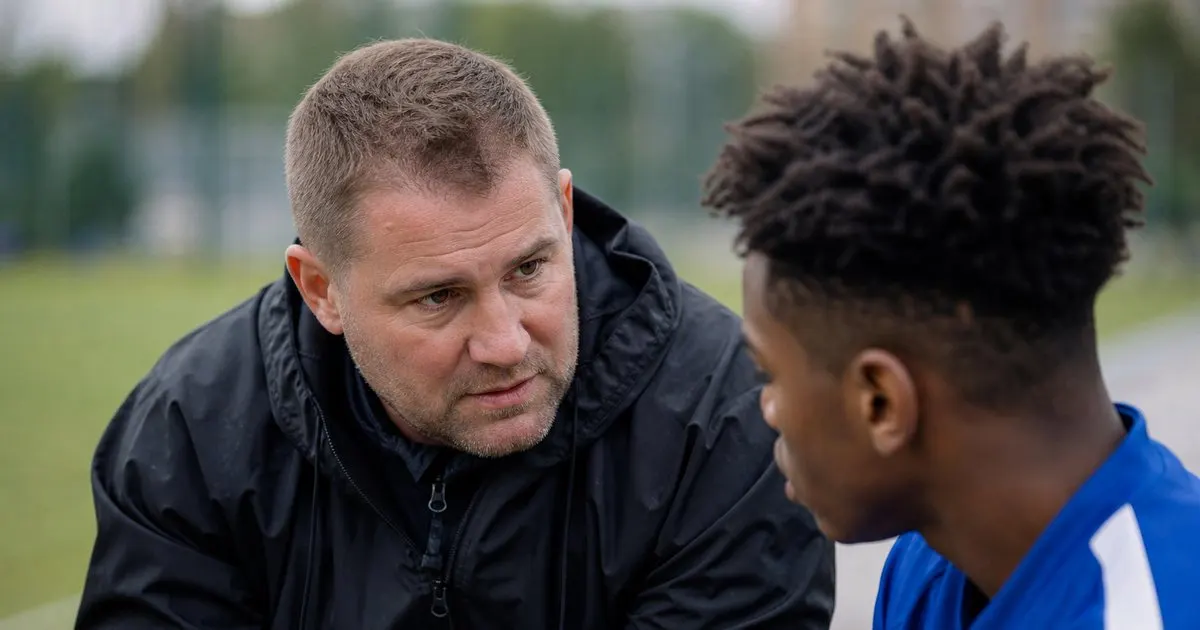
A practice log is a window into a student's week. Here is what a coach should read in it beyond the raw numbers.
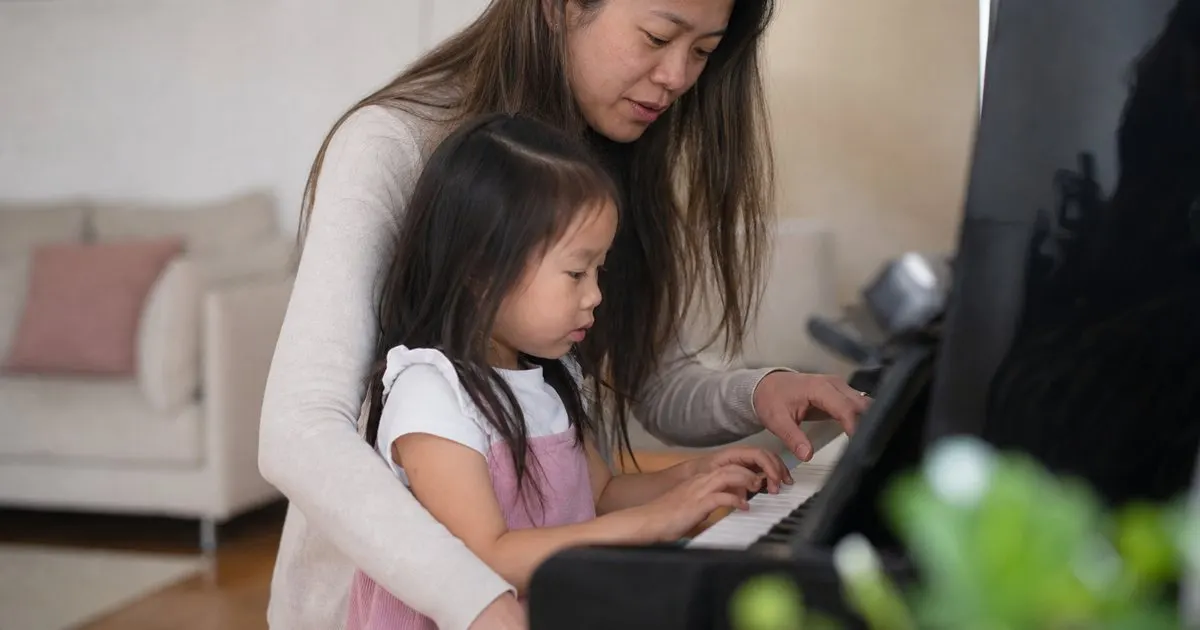
Nagging turns practice into a fight. Here is how parents can encourage practice while keeping the peace.

The off season is where athletes improve or fall behind. Here are the goals that keep teenagers training when no games are on.

The week between lessons is invisible to a teacher unless a student shares it. Here is how to make that handoff smooth.
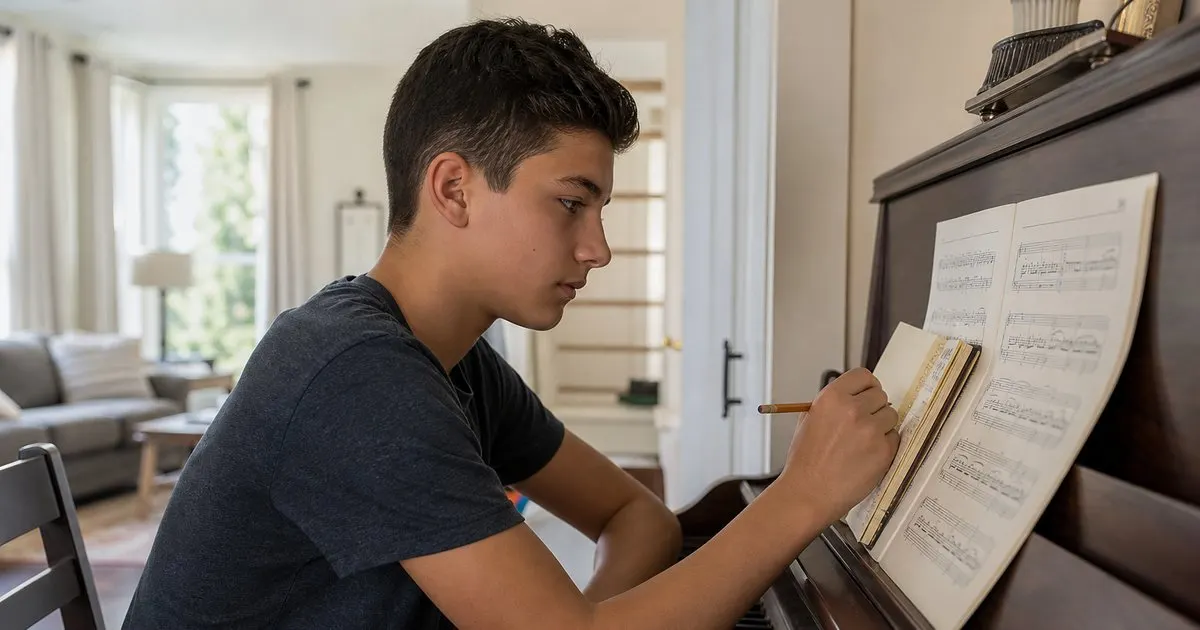
Minutes tell you that practice happened. A few extra lines tell you what changed. Here is what to record so the log becomes useful to you and your teacher.
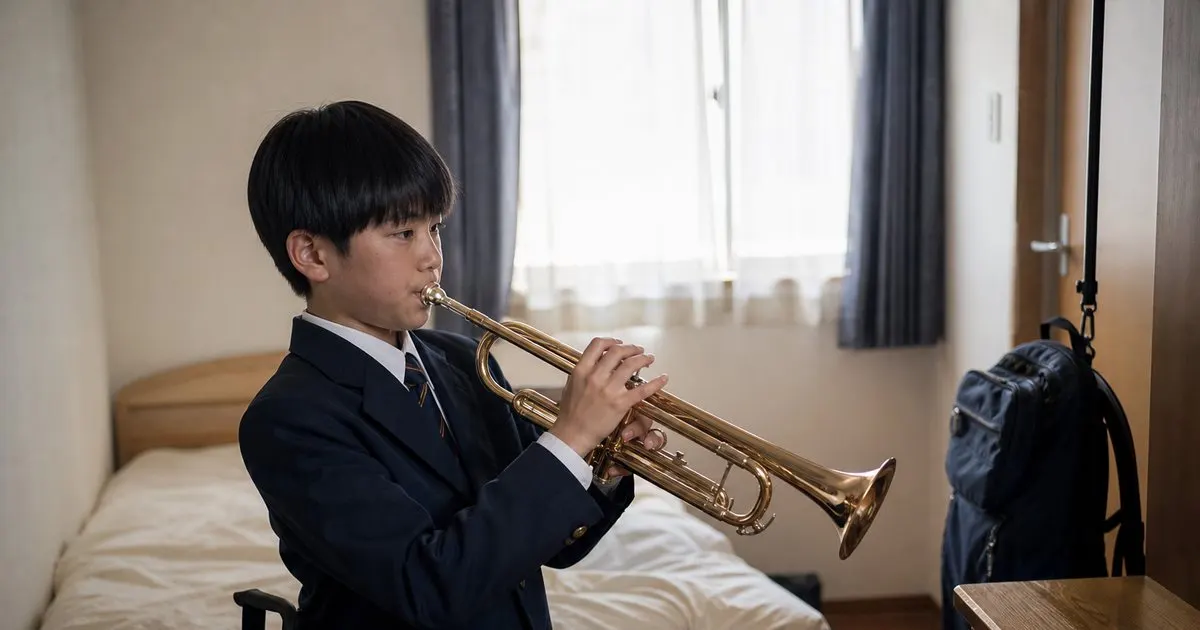
Short sessions are not a compromise if they are built correctly. Here is how to structure fifteen minutes so it moves a piece or a skill forward.
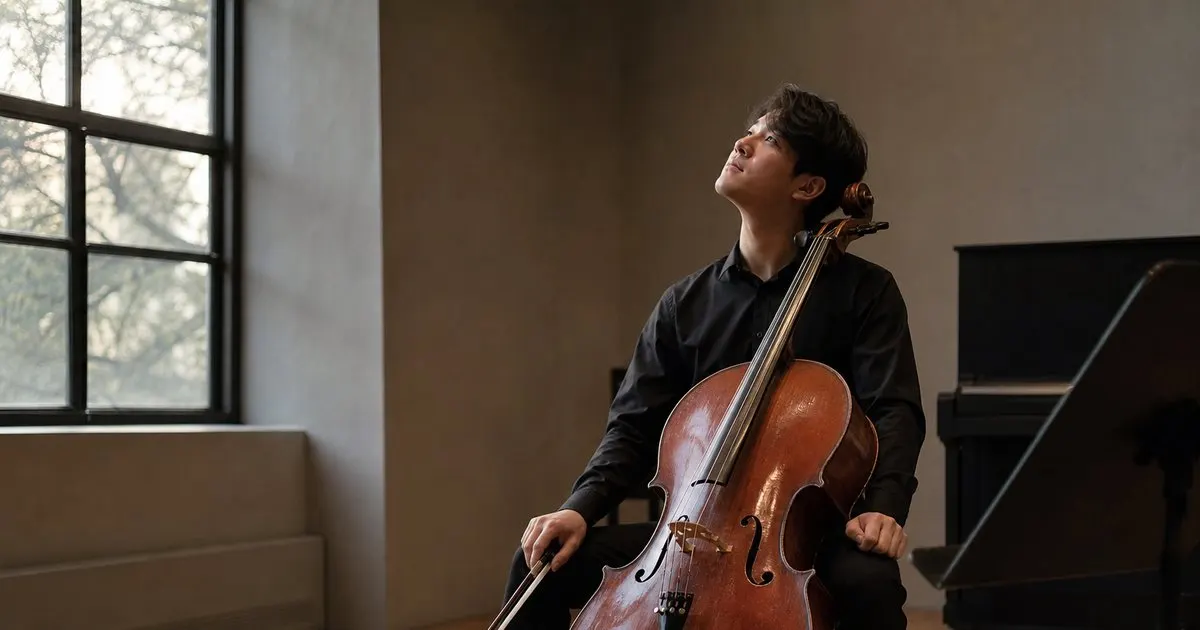
A full log and a flat skill curve is one of the most frustrating combinations in music and sport. Here are the usual causes and what to change.

Training logs capture the work. Recovery logs explain why the work did or did not stick. Here is when and how a coach should add them without overwhelming teenage swimmers.
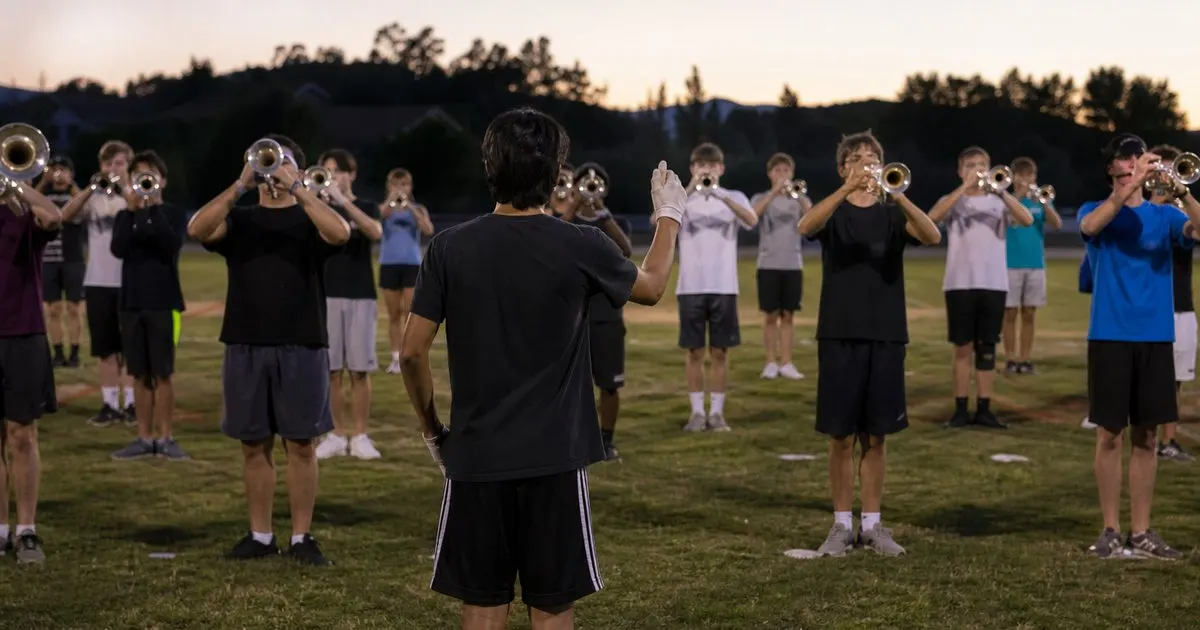
A section leader cannot listen to every player every day. A few well-chosen metrics tell you who needs help and where the section is drifting before the director hears it.
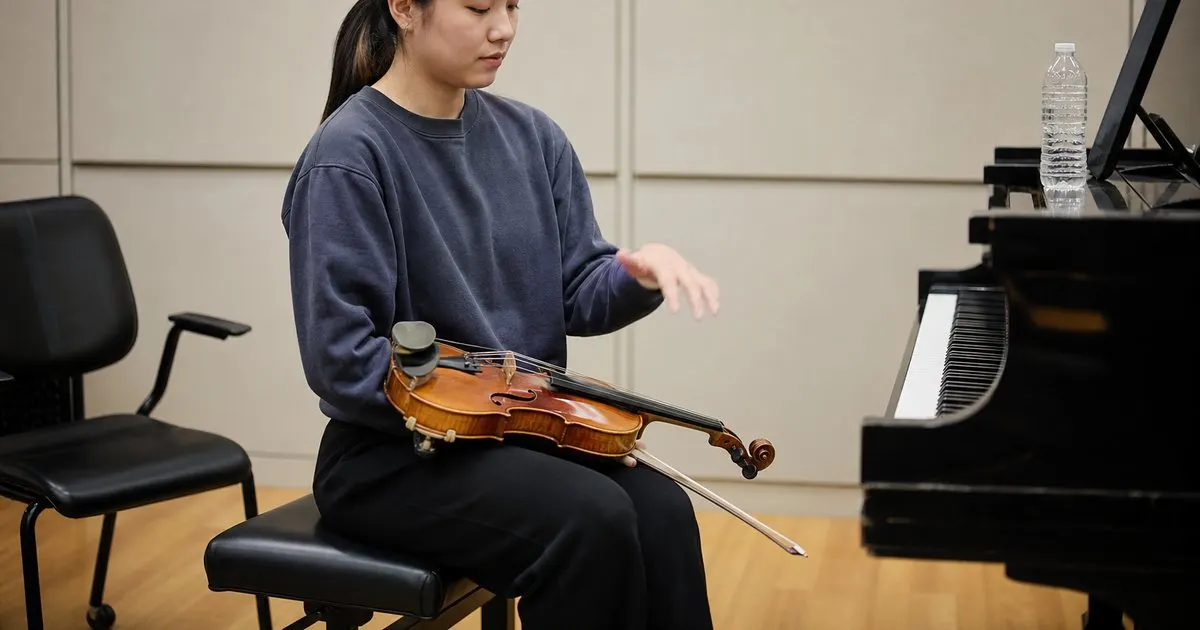
There is no single safe number, but there are clear warning signs and sensible limits. Here is how families and teachers can keep long practice from turning into pain.
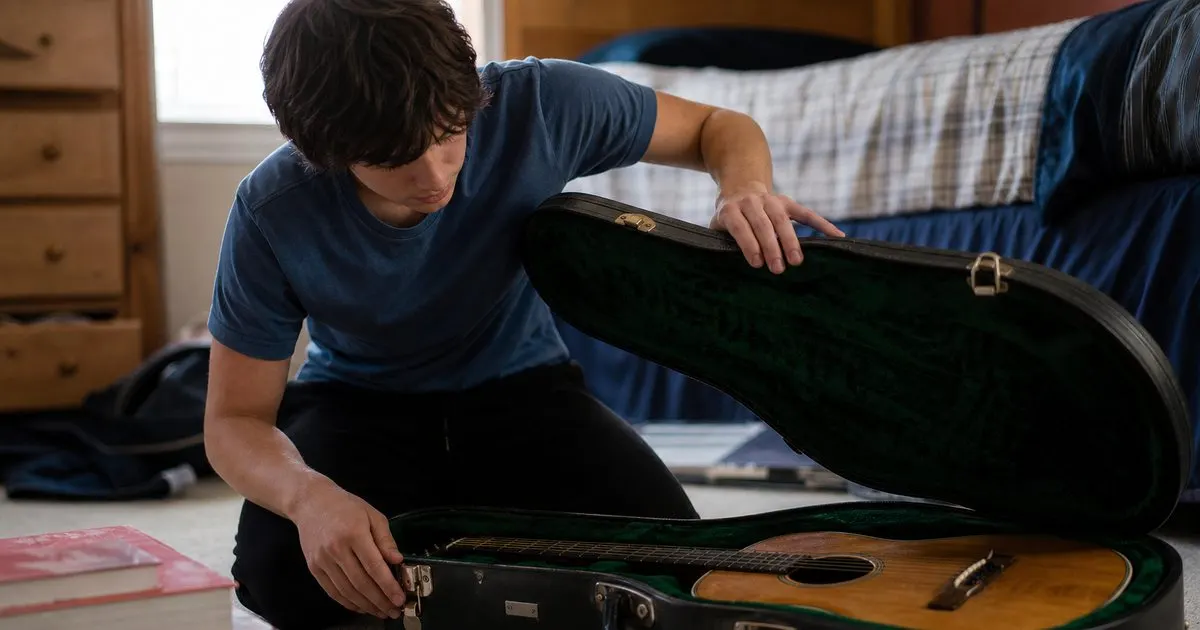
A gap in the log is not a failure, but the way a student restarts determines whether the gap becomes a month. Here is how to get back without the guilt spiral.
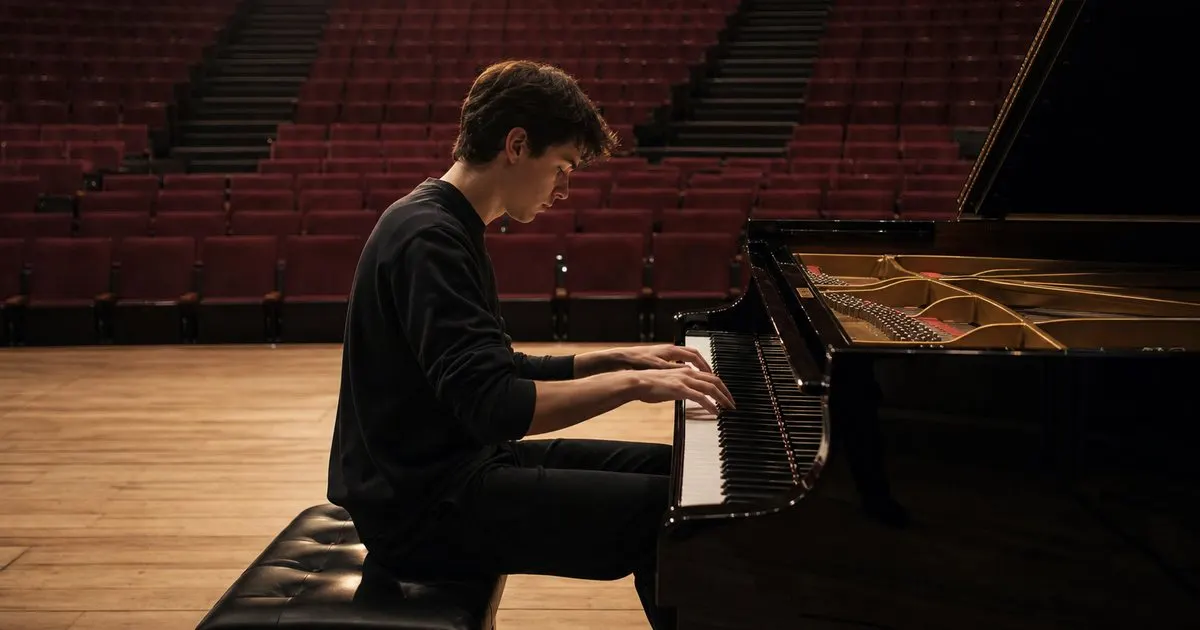
A performance date changes what practice is for. Here is how to work backward from the calendar and let the log tell you whether you are on schedule.
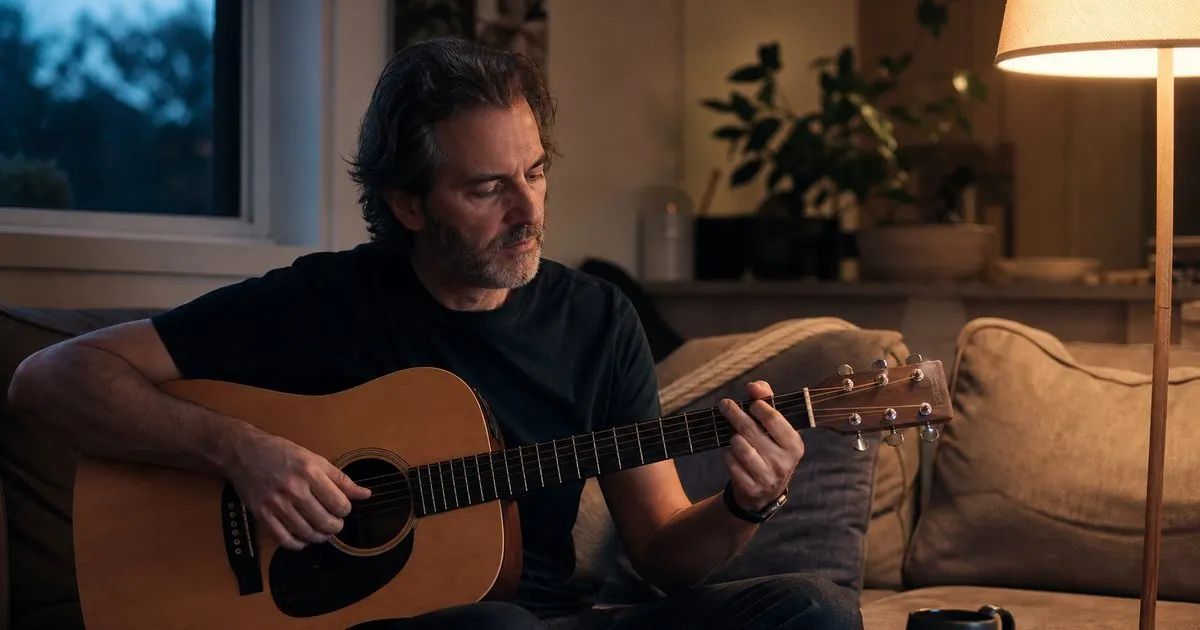
Without a teacher, the log is your feedback loop. Here is how adults learning on their own can set it up so it actually guides the next session.
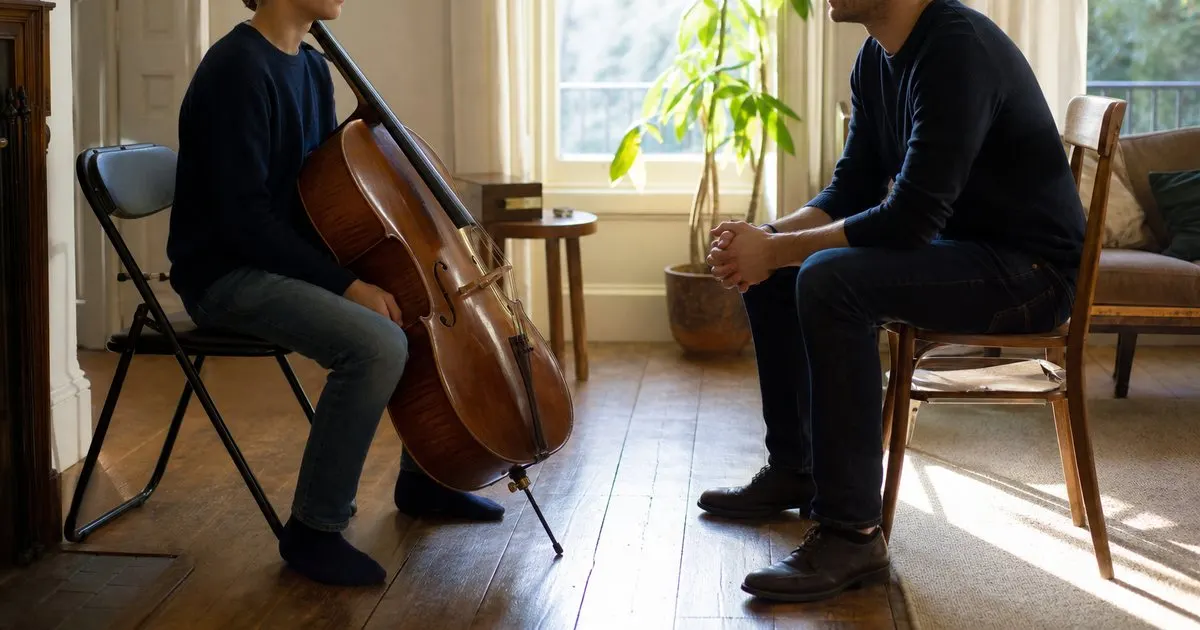
Padded practice numbers are almost always a message about the assignment rather than the student's character. Here is how to read that message and rebuild a log nobody has a reason to fake.
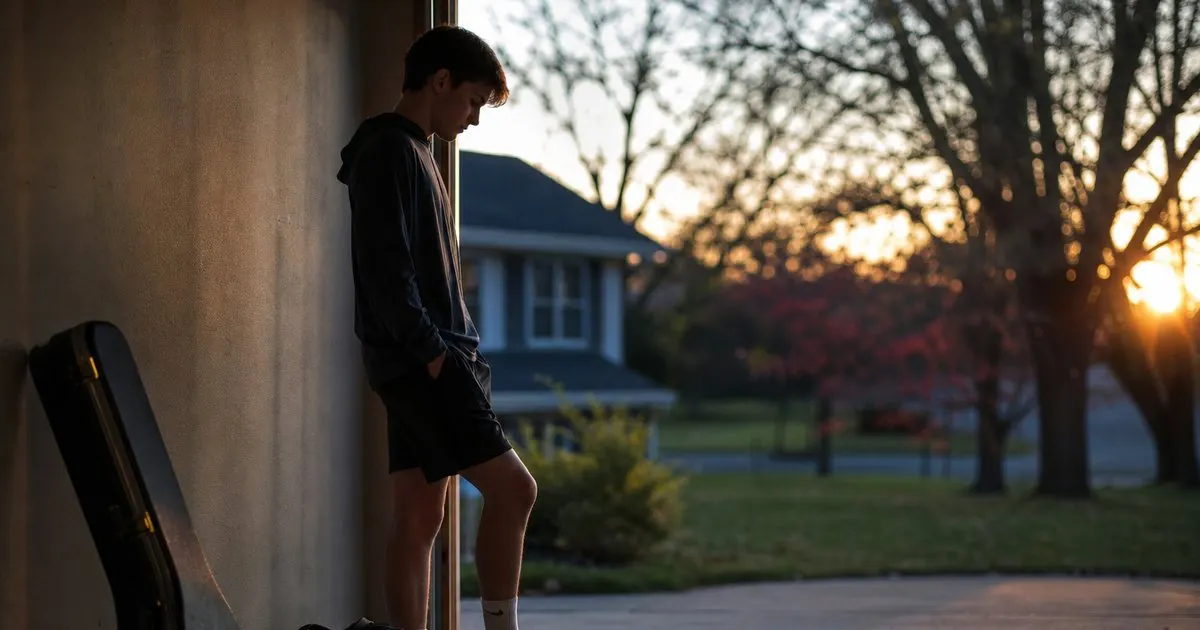
Band plus a travel team, or piano plus violin, rarely fits into one shared pot of practice time. Separate logs, a named priority season, and an honest maintenance dose keep both commitments alive.