Why Does a Student Plateau After Months of Consistent Practice and Careful Logging?
A full log and a flat skill curve is one of the most frustrating combinations in music and sport. Here are the usual causes and what to change.
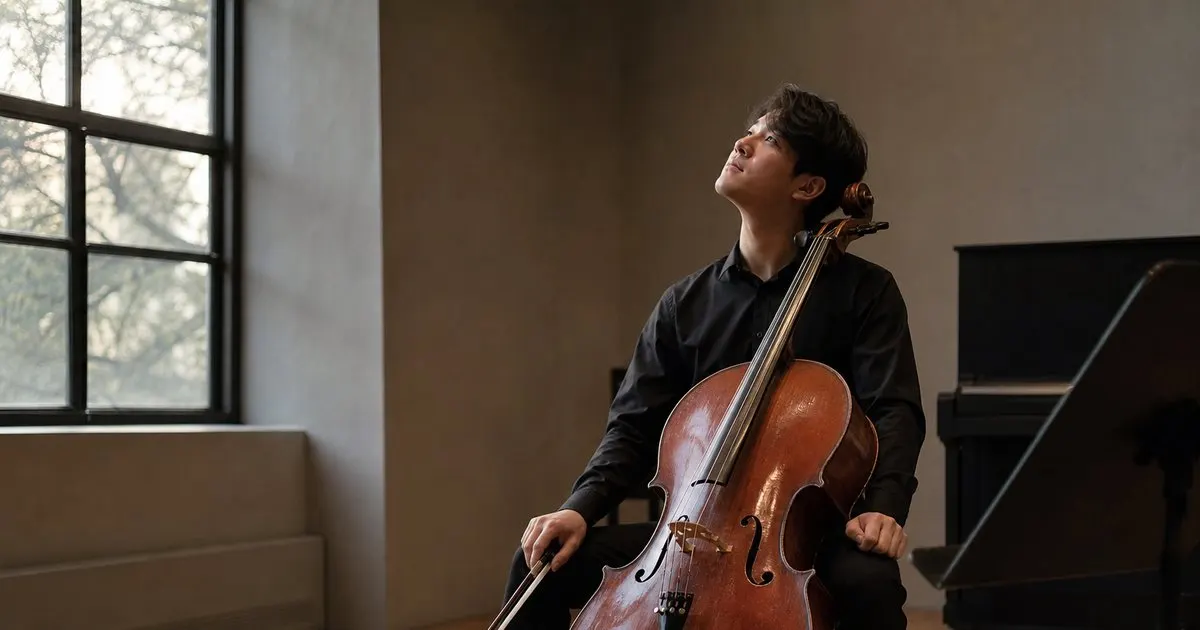
The log shows repetition, not adaptation
The most common cause of a plateau is that the practice has become the same practice. A student logs thirty minutes a day, but when you read the entries, every session is the same scales, the same run-through, the same passages at the same tempo. The body and brain adapt to a stimulus and then stop adapting when the stimulus stops changing. Consistency is necessary for progress, but it is not sufficient. A log full of identical entries is describing maintenance, not improvement. Related: How Can Students Build a Daily Practice Habit That Actually Sticks?
This is why reading back over a month of entries is so revealing. If the tempo numbers stopped climbing weeks ago, if the same measures appear every day, if the "what went wrong" line is blank or repeats, then the student is doing something comfortable. The fix is not more minutes. It is a deliberate change in difficulty: a faster tempo, a harder etude, a new technical demand, or the same piece with a stricter standard of clean repetitions.
Keep reading: How Can Students Build a Daily Practice Habit That Actually Sticks?, What Makes a Practice Streak Motivating Instead of Stressful for Young Learners?, Why Does Logging Practice Time Improve Progress in Music and Sports?. See how PracticeLoggr helps you music and sport practice logging for students.
The bottleneck moved and the practice did not follow
Early progress often comes from fixing the most obvious weakness. For a young violinist that might be intonation in first position; for a swimmer it might be the breathing pattern. Once that improves, the limiting factor shifts to something else, such as bow distribution or the underwater phase off the wall. Students who keep drilling the original weakness see diminishing returns because it is no longer the thing holding them back.
Teachers and coaches are usually the ones who spot the new bottleneck, which is one reason a plateau is a good moment to ask for a fresh diagnosis. A useful exercise is to record a full run-through or a race, watch it with the teacher, and identify the single element that would make the biggest difference now. Then the log should change to reflect that new target, so the next month of entries looks different from the last.
Fatigue, sleep, and life are quietly limiting the sessions
Sometimes the practice is fine and the student is not. A high school athlete who added a second sport, a music student in the middle of exams, or anyone sleeping poorly can log the same minutes with far lower quality. The entries look consistent, but the focus line, if there is one, reads "tired" for weeks. Motor learning depends heavily on rest, and a tired student repeats mistakes rather than correcting them. Related: How Should a Music Teacher Set Weekly Practice Goals for Beginners?
This is where the softer fields in a log pay off. If the mood or energy note has trended downward, the honest response is to reduce load or shift the timing of practice rather than push harder. A shorter, sharper session in the morning may accomplish more than a long, foggy one at night. Some students discover from their own log that their best sessions happen at a particular time of day and simply move practice there. Related: When Is Practice Quality More Important Than Total Minutes Logged?
The goal has gone vague
Plateaus also appear when the original goal has been reached or has faded. A student who worked toward a spring recital may keep logging through the summer without any specific target, and the practice drifts into playing through favorites. That is not wasted time, but it is not the kind of practice that produces measurable gains. Without a destination, the log becomes a diary of activity rather than a record of progress. Related: Why Does Logging Practice Time Improve Progress in Music and Sports?
The remedy is to set a new, specific, dated goal and then reshape the sessions around it. An audition in November, a specific etude at a specific tempo by October, a personal best time by the end of the season. Once that goal exists, the entries change on their own, because the student knows what each session is for. Plateaus rarely survive a clear target and a changed stimulus.
- A plateau usually means the practice stopped changing, not that the student stopped working.
- Read a month of entries and look for identical passages, flat tempos, and blank mistake lines.
- Ask a teacher or coach to identify the new bottleneck, then retarget the log around it.
- Check sleep and energy notes; tired practice repeats errors instead of fixing them.

Julien Jimenez
Julien Jimenez is an independent software builder based in Paris. He designs, ships, and operates focused SaaS products for small businesses and independent professionals. Read the full author page.
Turn daily practice into visible progress
Music and sport practice logging for students. PracticeLoggr is built to help you put this into practice.
Start a practice logMore from the PracticeLoggr blog


Get the PracticeLoggr playbook
Practical guides on practice logging, straight to your inbox as we publish them. No spam, unsubscribe any time.