Which Goals Keep Teenage Athletes Committed to Off Season Training?
The off season is where athletes improve or fall behind. Here are the goals that keep teenagers training when no games are on.
Concrete, measurable targets such as a distance, a time, or a rep count give an athlete something to chase once the scoreboard is gone. Pair them with small daily process goals for consistency, let the athlete help choose the target so they own it, and share logged progress with a coach for accountability.
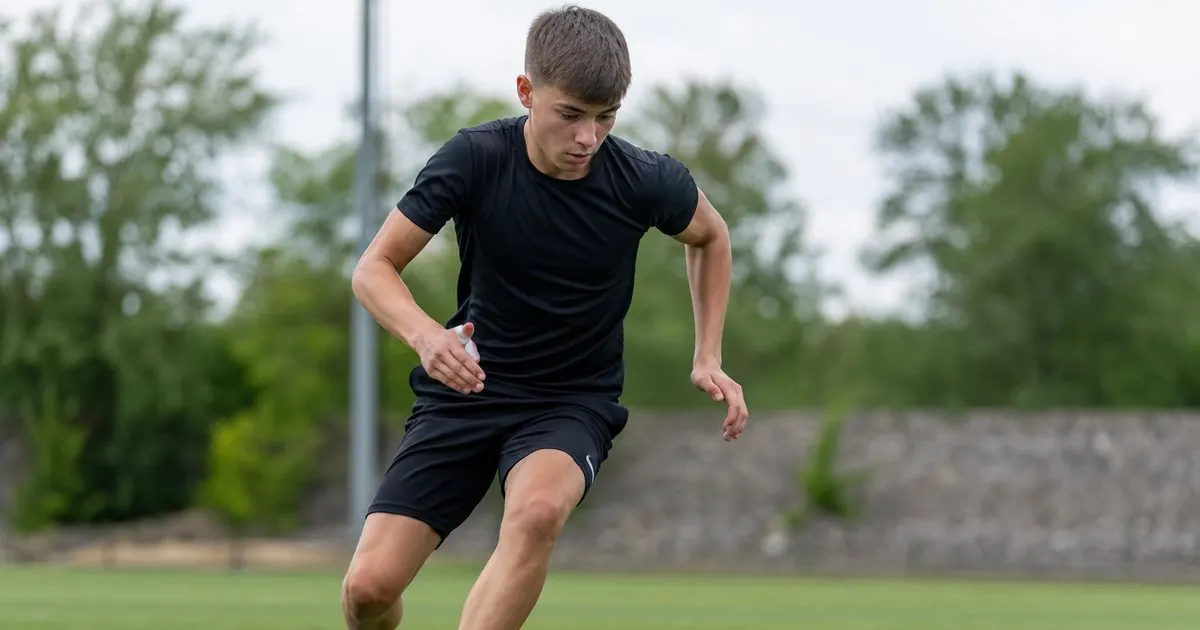
Concrete, measurable targets
Vague goals fade fast without games to motivate. A specific, measurable target, a distance, a time, a number of repetitions, gives an athlete something to chase.
Measurable progress replaces the scoreboard as a source of motivation.
Keep reading: How Can Students Build a Daily Practice Habit That Actually Sticks?, What Makes a Practice Streak Motivating Instead of Stressful for Young Learners?, Why Does Logging Practice Time Improve Progress in Music and Sports?. See how PracticeLoggr helps you music and sport practice logging for students.
Process goals for consistency
Alongside big targets, small daily process goals keep an athlete showing up. Logging each session builds the streak that carries them through a long off season. Related: When Should a Swim Coach Ask Athletes to Log Sleep and Recovery Alongside Training?
The daily habit is what makes the seasonal goal reachable. Related: How Can Students Build a Daily Practice Habit That Actually Sticks?
Goals the athlete owns
A teenager commits to a goal they helped set, not one imposed on them. Involving the athlete in choosing the target builds the ownership that sustains effort.
Buy-in is the difference between a goal that sticks and one that is ignored.
Share progress for accountability
Logging training and sharing it with a coach keeps an athlete honest across the quiet months and lets the coach adjust the plan. Related: Why Does a Student Plateau After Months of Consistent Practice and Careful Logging?
Visible progress and a coach's eye keep off season work from quietly stopping.
- Set concrete, measurable performance targets
- Add daily process goals to build consistency
- Involve the athlete so they own the goal
- Share logged progress with a coach for accountability

Julien Jimenez
Julien Jimenez is an independent software builder based in Paris. He designs, ships, and operates focused SaaS products for small businesses and independent professionals. Read the full author page.
Frequently asked questions
Why involve a teenage athlete in setting their own goal?
A teenager commits far more to a goal they helped choose than one imposed on them. That sense of ownership is the difference between a target that sticks through a long off season and one that gets ignored.
How do process goals help off season training?
Small daily process goals, tracked as a streak, keep an athlete showing up when no games are pushing them. The daily habit is what makes the bigger seasonal target actually reachable.
Turn daily practice into visible progress
Music and sport practice logging for students. PracticeLoggr is built to help you put this into practice.
Start a practice logMore from the PracticeLoggr blog
Get the PracticeLoggr playbook
Practical guides on practice logging, straight to your inbox as we publish them. No spam, unsubscribe any time.