How Should a Music Teacher Set Weekly Practice Goals for Beginners?
The right weekly goal keeps a beginner progressing without overwhelm. Here is how a teacher can set goals that work.
Make each goal specific and small, like playing one scale five times a day, so a beginner knows exactly when it is done. Focus on process such as minutes or repetitions rather than results they cannot yet control, fit the goal to their real week, and review and adjust it at every lesson.
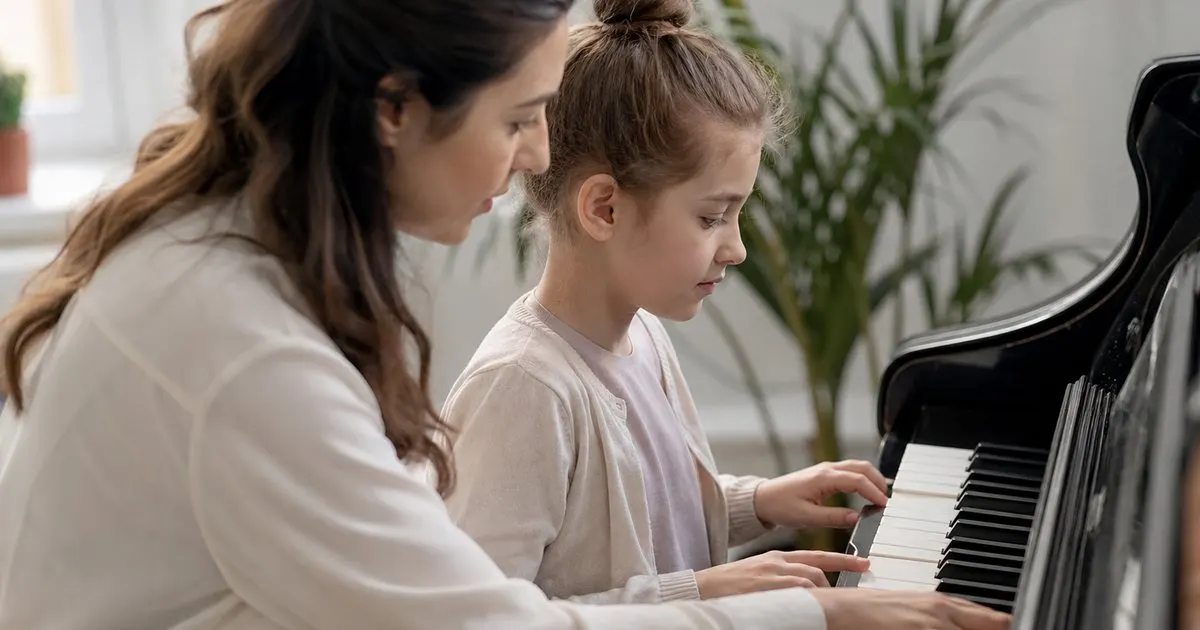
Make goals specific and small
A goal like practice more is useless. Play this scale five times a day is clear and achievable, and a beginner knows exactly when they have done it. Related: How Do You Practice Effectively When You Only Have Fifteen Minutes a Day?
Specific, bite-sized goals give a beginner a clear target and a clear win.
Keep reading: How Can Students Build a Daily Practice Habit That Actually Sticks?, What Makes a Practice Streak Motivating Instead of Stressful for Young Learners?, Why Does Logging Practice Time Improve Progress in Music and Sports?. See how PracticeLoggr helps you music and sport practice logging for students.
Focus on process, not just outcome
For a beginner, a goal built around the act of practicing, minutes or repetitions, is more motivating than one tied to a result they cannot yet control. Related: When Is Practice Quality More Important Than Total Minutes Logged?
Rewarding the effort keeps a new learner going while skill catches up.
Match the goal to the student's life
A goal has to fit a real week with school and other activities. One that assumes unlimited time sets the student up to fall short and feel discouraged. Related: Which Practice Metrics Matter Most for a High School Marching Band Section Leader?
A realistic goal that gets done beats an ambitious one that does not.
Review and adjust each lesson
Check in on the past week's goal at each lesson, celebrate what got done, and set the next one based on how it went. Goals should evolve with the student.
A practice log makes that weekly review concrete and honest. Related: What Makes a Practice Streak Motivating Instead of Stressful for Young Learners?
- Set specific, small, achievable weekly goals
- Focus beginners on process, like minutes or repetitions
- Fit goals to the student's real weekly schedule
- Review and adjust the goal at every lesson

Julien Jimenez
Julien Jimenez is an independent software builder based in Paris. He designs, ships, and operates focused SaaS products for small businesses and independent professionals. Read the full author page.
Frequently asked questions
Why focus a beginner on process goals rather than outcomes?
A beginner cannot yet control the result, so a goal built around the act of practicing, such as minutes or repetitions, is more motivating and rewards the effort while their skill catches up.
How often should a teacher revisit a beginner's weekly goal?
At every lesson. Check in on the past week, celebrate what got done, and set the next goal based on how it went. Goals should evolve with the student rather than stay fixed.
Turn daily practice into visible progress
Music and sport practice logging for students. PracticeLoggr is built to help you put this into practice.
Start a practice logMore from the PracticeLoggr blog


Get the PracticeLoggr playbook
Practical guides on practice logging, straight to your inbox as we publish them. No spam, unsubscribe any time.