Which Practice Metrics Matter Most for a High School Marching Band Section Leader?
A section leader cannot listen to every player every day. A few well-chosen metrics tell you who needs help and where the section is drifting before the director hears it.
Individual readiness on the current chart, not total minutes
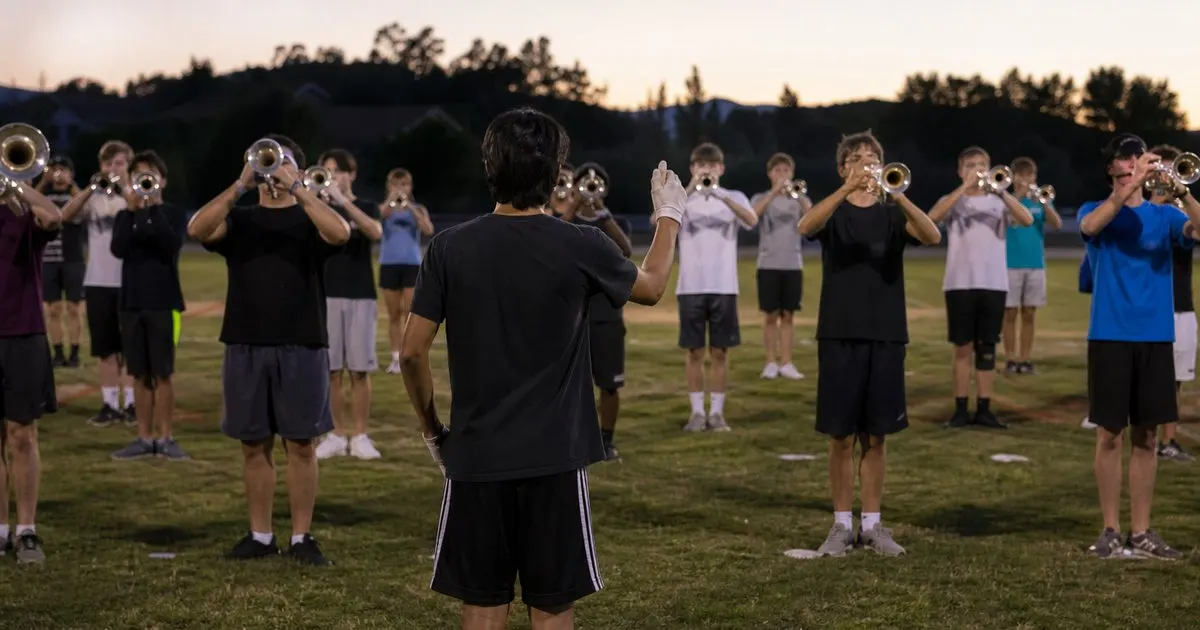
The metric a section leader needs most is simple: can each player perform the music for the current drill set from memory at tempo. Total minutes practiced is a weak proxy for this because a player can log an hour of playing old show music and still not know the new ballad. Asking each member to log a readiness rating per chart or per movement, such as "memorized," "reading," or "not started," gives a section leader a map of where the weak spots are before the next full rehearsal. Related: How Do You Practice Effectively When You Only Have Fifteen Minutes a Day?
This is also the metric directors care about most, because the band's overall performance is limited by the least prepared players in each section. A section leader who can tell the director "two of my ten are still reading the closer" is offering something actionable. A section leader who says "we practiced a lot this week" is not.
Keep reading: How Can Students Build a Daily Practice Habit That Actually Sticks?, What Makes a Practice Streak Motivating Instead of Stressful for Young Learners?, Why Does Logging Practice Time Improve Progress in Music and Sports?. See how PracticeLoggr helps you music and sport practice logging for students.
Consistency across the week, especially the days before rehearsal
The second useful metric is the distribution of practice across the week rather than the sum. A player who practices forty-five minutes on Sunday and nothing else arrives at Tuesday's rehearsal cold. A player who practices ten minutes on five days arrives warm. Marching band demands endurance and reliable muscle memory, and both come from frequent contact rather than occasional long sessions. Related: When Is Practice Quality More Important Than Total Minutes Logged?
A simple way to track this is to look at how many days each member logged something, not how much. Section leaders can set an expectation like "something every night before a rehearsal" and check the log for that pattern. In PracticeLoggr we surface a days-per-week count for exactly this reason, because it is the number that predicts whether the section will hold together in the third movement on a hot Friday night.
Tempo and memorization milestones per movement
Marching shows are learned in pieces, and the useful milestones are specific: memorized at a slow tempo, memorized at performance tempo, memorized while marching the drill. Tracking these three stages per movement for each member lets a section leader see whether the section is bottlenecked at memorization or at combining playing with movement. Those are different problems with different fixes.
Encourage members to log the metronome tempo they reached on tricky passages, particularly runs and syncopated sections where the whole band tends to drag or rush. A section leader who sees that most of the section is comfortable at a certain tempo but two players are well below it can pair those players with stronger ones for sectionals, rather than running the whole section through the passage again and boring the players who already have it.
Problem spots reported by the players themselves
The last metric is qualitative and it is the one section leaders most often skip: what each player says is hard. A log with a "trouble spot" field gives quiet players a way to flag something without raising a hand in front of the section. Reading those entries before a sectional lets the leader plan the time around the passages that are actually causing problems instead of guessing. Related: How Much Daily Practice Is Too Much for a Young String Player's Hands?
This also builds the habit of self-diagnosis, which is the skill that separates players who improve on their own from players who need to be told everything. When a section leader responds to a logged trouble spot with a specific suggestion, members learn that logging honestly gets them help. Over a season, that feedback loop does more for the section than any amount of pushing for more minutes. Related: Why Does Logging Practice Time Improve Progress in Music and Sports?
- Track each player's readiness per chart or movement rather than total minutes.
- Count how many days each member practiced, especially the day before rehearsal.
- Log memorization and tempo milestones per movement to find the real bottleneck.
- Give players a place to report their own trouble spots and respond to them.

Julien Jimenez
Julien Jimenez is an independent software builder based in Paris. He designs, ships, and operates focused SaaS products for small businesses and independent professionals. Read the full author page.
Turn daily practice into visible progress
Music and sport practice logging for students. PracticeLoggr is built to help you put this into practice.
Start a practice logMore from the PracticeLoggr blog


Get the PracticeLoggr playbook
Practical guides on practice logging, straight to your inbox as we publish them. No spam, unsubscribe any time.