How Do You Use a Practice Log to Prepare for a Recital or Audition Date?
A performance date changes what practice is for. Here is how to work backward from the calendar and let the log tell you whether you are on schedule.
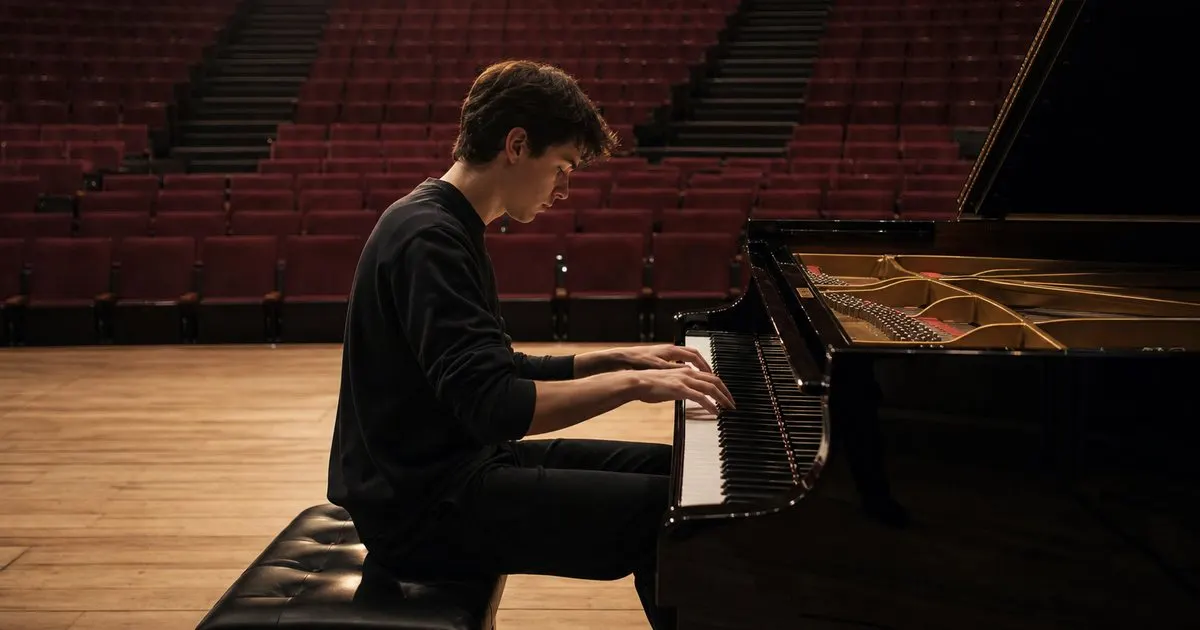
Work backward and put the milestones in the log
The most reliable approach to a performance date is to start from the day itself and set milestones in reverse. Two weeks out, the program should be performable start to finish without stopping. Four weeks out, every piece should be memorized at tempo, even if not yet polished. Six or eight weeks out, the hardest passages should be secure at a slow tempo. The exact spacing depends on the difficulty of the program and how much time the student has each week, but the principle is that each milestone has a date.
Writing those milestones into the practice log as dated targets does two things. It gives each session a clear purpose, because the student always knows which milestone is next. And it makes slippage visible early, when it can still be fixed. A student who realizes three weeks out that the finale is not memorized has options. A student who realizes it three days out does not. Related: How Can Students Build a Daily Practice Habit That Actually Sticks?
Keep reading: How Can Students Build a Daily Practice Habit That Actually Sticks?, What Makes a Practice Streak Motivating Instead of Stressful for Young Learners?, Why Does Logging Practice Time Improve Progress in Music and Sports?. See how PracticeLoggr helps you music and sport practice logging for students.
Shift the entries from passages to run-throughs as the date approaches
Early in the preparation window, entries should look like ordinary practice: isolated passages, slow tempos, metronome numbers climbing. As the date approaches, the entries need to change. Full run-throughs, performed as if for an audience, with no stopping, become the main event, and the log should record how each one went. Which measures broke down, whether the memory held, how the tempo felt under pressure. Those notes tell the student where the remaining work is. Related: What Should Coaches Look for When Reviewing a Student's Practice Log?
A practical pattern is to log each run-through with a short list of the spots that failed, then spend the following session on only those spots, then run through again. Over two weeks the list gets shorter. If it does not, the student knows exactly which passages need a different strategy or a conversation with the teacher. This is the point in preparation where a log stops being a diary and becomes a checklist.
Log the mock performances and the conditions
Auditions and recitals are as much about nerves as about notes, and the only way to practice performing is to perform. Playing for family, for a friend, for a phone camera, or in the actual hall if possible are all worth logging as separate events, with a note about the conditions and how it felt. The entries should record what went wrong under pressure that does not go wrong in the practice room, because that gap is the thing to close. Related: Why Does Logging Practice Time Improve Progress in Music and Sports?
Students are often surprised to see, in their own log, that the passage that fails in mock performances is not the one they thought was hardest. It is frequently a simple transition that was never practiced under pressure. Logging these performances also builds a record of improvement in the nerves themselves. The third mock run feeling calmer than the first is a real result, and seeing it written down is reassuring in the final days.
Taper the practice and read the log in the last week
The final week before a performance is not the time for heavy technical work. Long sessions and aggressive tempo pushing in the last days tend to produce fatigue and fresh mistakes. Sessions should get shorter and calmer, focused on confident run-throughs and mental rehearsal, with the log capturing that the student is doing less on purpose. This is also when overuse tends to appear, so the discomfort field, if there is one, deserves attention. Related: When Is Practice Quality More Important Than Total Minutes Logged?
Reading back over the whole preparation window in the last few days is a quiet confidence builder. The student can see tempos rising, failed spots disappearing from run-through notes, and mock performances getting calmer. That evidence matters more than reassurance from a parent or teacher, because it is the student's own record. Whatever happens on the day, the log shows the work was done, and that is the foundation of a good performance.
- Set dated milestones working backward from the performance and write them into the log.
- Shift entries from isolated passages to logged run-throughs as the date approaches.
- Log mock performances separately, with notes on what failed under pressure.
- Taper in the final week and reread the log for evidence that the preparation worked.

Julien Jimenez
Julien Jimenez is an independent software builder based in Paris. He designs, ships, and operates focused SaaS products for small businesses and independent professionals. Read the full author page.
Turn daily practice into visible progress
Music and sport practice logging for students. PracticeLoggr is built to help you put this into practice.
Start a practice logMore from the PracticeLoggr blog


Get the PracticeLoggr playbook
Practical guides on practice logging, straight to your inbox as we publish them. No spam, unsubscribe any time.