How Do You Practice Effectively When You Only Have Fifteen Minutes a Day?
Short sessions are not a compromise if they are built correctly. Here is how to structure fifteen minutes so it moves a piece or a skill forward.
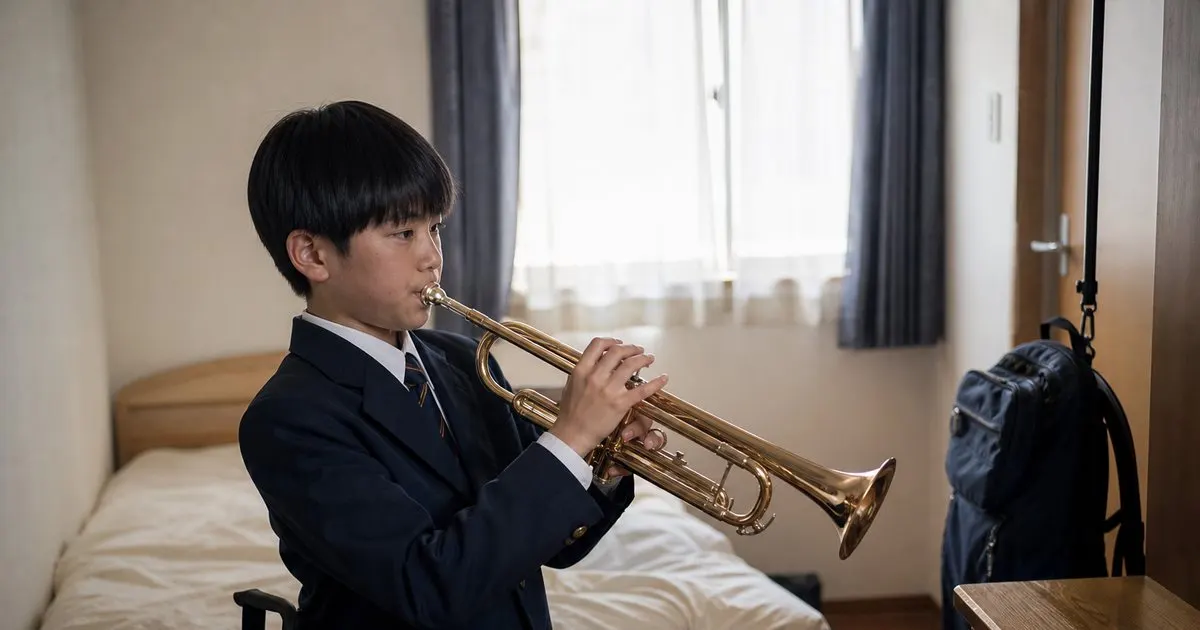
Decide the one thing before you pick up the instrument
The failure mode of a short session is spending the first five minutes deciding what to do. With fifteen minutes total, a third of the time evaporates in noodling, tuning, and flipping through the book. The fix is to decide the single target the night before or at the end of the previous session, and write it down so the next session starts with a known first step. One passage, one skill, one drill. Related: When Is Practice Quality More Important Than Total Minutes Logged?
This is where a log earns its keep for busy students. If yesterday's entry says "measure 31, left hand, still rushing the triplets," today's session starts there with no deliberation. A next-step line at the end of each session is the habit we suggest first to busy students, because it makes a short practice feel purposeful instead of rushed: the thinking has already been done. Related: How Can Students Build a Daily Practice Habit That Actually Sticks?
Keep reading: How Can Students Build a Daily Practice Habit That Actually Sticks?, What Makes a Practice Streak Motivating Instead of Stressful for Young Learners?, Why Does Logging Practice Time Improve Progress in Music and Sports?. See how PracticeLoggr helps you music and sport practice logging for students.
Split the time into three unequal blocks
A structure that works for many students is roughly two minutes of warm-up, ten minutes on the single target, and three minutes of playing something for enjoyment or running the piece straight through. The warm-up is not a full routine of scales; it is one scale or one long-tone exercise that gets fingers, lips, or the bow moving. The ten-minute middle block is where the actual improvement happens, and it should be protected from interruption.
The final block matters more than it looks. Ending on a straight run or a piece the student already loves makes the session feel complete and makes tomorrow's session easier to start. Sessions that end mid-struggle tend to become sessions that get skipped the next day. If the student is an athlete rather than a musician, the same shape holds: a brief activation, one focused drill, and a short cool-down or free play. Related: Why Does a Student Plateau After Months of Consistent Practice and Careful Logging?
Use the metronome and the loop, not the whole piece
Fifteen minutes is not enough time to play a four-page piece from the top and fix things as they appear. It is enough time to isolate four measures, slow them down, and repeat them with intention. Looping a short passage at a tempo where it is clean, then nudging the metronome up by small steps, is the most time-efficient tool a student has. Athletes have an equivalent: a single technical element repeated with attention, rather than a full scrimmage.
Keep the loops honest. A common trap is repeating a passage until it works once and calling it done. A better standard is a small number of consecutive clean repetitions at the target tempo, which a student can note in the log. Recording the tempo reached each day also makes short sessions feel cumulative rather than fragmentary, because the number climbs even when the piece as a whole still feels unfinished.
Log the session in the last thirty seconds
A quick entry that says what was done, what tempo was reached, and what tomorrow's first step is takes less than a minute and protects the next session from the deliberation problem. Students who skip this step because they are short on time typically lose more time the next day. The entry does not need to be thorough. It needs to contain the next step.
Over a few weeks, these short entries form a surprisingly clear picture. A teacher can see that a student is practicing consistently, even briefly, and can adjust the assignment to fit fifteen-minute chunks rather than an hour that never happens. In our experience building PracticeLoggr, the students with the most consistent logs are often not the ones with the most time; they are the ones with the clearest next step. Related: What Should a Piano Student Write in a Practice Log Besides Minutes Played?
- Pick the single target before the session starts, ideally at the end of the previous one.
- Use roughly two minutes to warm up, ten on the target, and three to finish on something enjoyable.
- Loop short passages with a metronome instead of running the whole piece.
- Spend the last thirty seconds logging what happened and what comes next.

Julien Jimenez
Julien Jimenez is an independent software builder based in Paris. He designs, ships, and operates focused SaaS products for small businesses and independent professionals. Read the full author page.
Turn daily practice into visible progress
Music and sport practice logging for students. PracticeLoggr is built to help you put this into practice.
Start a practice logMore from the PracticeLoggr blog


Get the PracticeLoggr playbook
Practical guides on practice logging, straight to your inbox as we publish them. No spam, unsubscribe any time.