When Should a Swim Coach Ask Athletes to Log Sleep and Recovery Alongside Training?
Training logs capture the work. Recovery logs explain why the work did or did not stick. Here is when and how a coach should add them without overwhelming teenage swimmers.
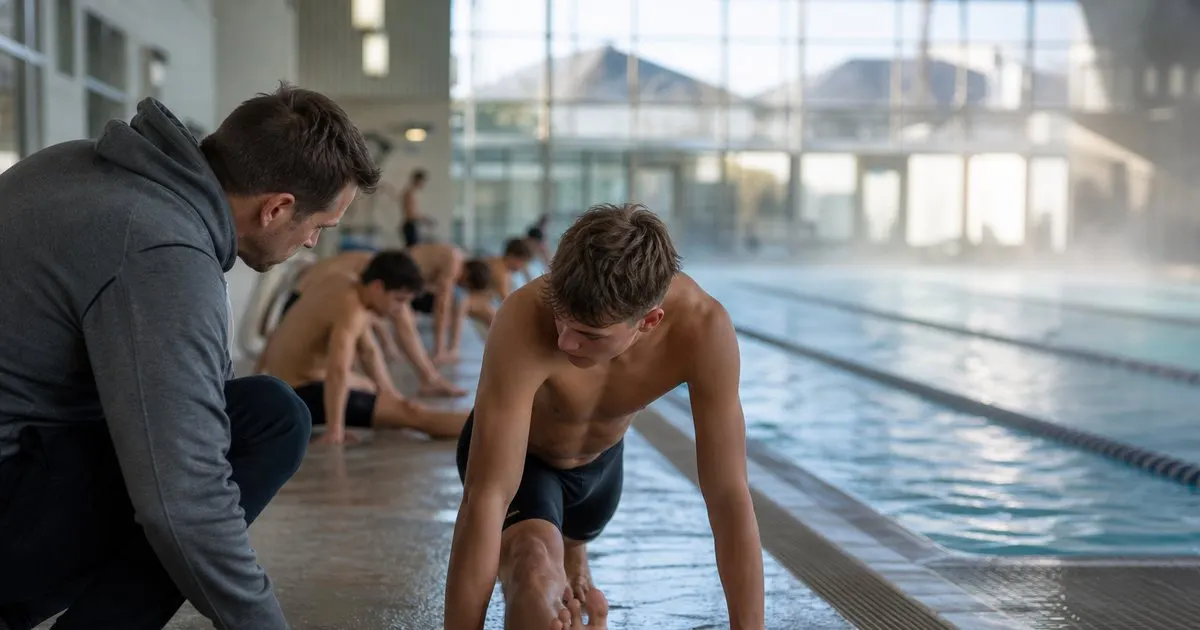
Start when the training load becomes meaningful
For a novice group swimming two or three easy sessions a week, recovery logging is usually more burden than insight. The load is low enough that sleep and soreness rarely limit performance, and asking twelve-year-olds to record how they slept adds friction without changing any decisions. The right time to introduce recovery fields is when the training load reaches a point where fatigue can accumulate: doubles, early morning sessions, taper cycles, or a jump in weekly yardage. Related: Why Does Logging Practice Time Improve Progress in Music and Sports?
A practical signal is the coach's own behavior. If you are starting to adjust sets based on how the group looks in the water, you already want the data that a recovery log provides. Adding two fields, hours of sleep and a simple soreness or readiness rating, gives you something to check before you decide whether today is a hard day or a maintenance day. The goal is to make a decision you are already making with better information.
Keep reading: How Can Students Build a Daily Practice Habit That Actually Sticks?, What Makes a Practice Streak Motivating Instead of Stressful for Young Learners?, Why Does Logging Practice Time Improve Progress in Music and Sports?. See how PracticeLoggr helps you music and sport practice logging for students.
Keep the fields few and the scale simple
The recovery logs that survive a season are the ones that take fifteen seconds. A single number for hours slept, a readiness rating on a scale the swimmers choose together, and an optional one-word note is plenty. Elaborate forms asking for resting heart rate, hydration, nutrition, and mood on five separate scales tend to get abandoned by the second week, and a log with gaps is worse than no log because it invites false conclusions.
It helps to define the scale with the athletes so the numbers mean the same thing across the group. "Three means I could do a normal practice but would not want a test set" is more useful than an abstract number. We suggest a five-point readiness scale checked on the deck before the main set, which is exactly the small, fast loop that makes recovery data worth collecting. Related: What Makes a Practice Streak Motivating Instead of Stressful for Young Learners?
Look for patterns across weeks, not single bad days
One poor night of sleep before a meet is not a coaching problem; it is a Tuesday. The value of recovery logging shows up over weeks, when a swimmer's readiness ratings trend down while training volume trends up, or when a pattern emerges such as consistently short sleep on nights before morning practice. Those patterns are where a coach can intervene, by adjusting the schedule, talking with parents about bedtimes, or reducing load for a specific athlete before an injury or an illness forces the issue. Related: What Should Coaches Look for When Reviewing a Student's Practice Log?
It is important to stay honest about what the data can and cannot say. A readiness rating is subjective, and teenagers vary in how they use scales. Treat the log as a prompt for a conversation rather than a verdict. When a swimmer's numbers change, ask them what is going on. Often the answer is a new job, exam season, or something at home, and the training adjustment follows from the conversation rather than from the number itself. Related: When Is Practice Quality More Important Than Total Minutes Logged?
Use recovery data during taper and after illness
Two moments where recovery logs are especially useful are the taper before a championship meet and the return from illness or injury. During taper, coaches are trying to reduce fatigue while holding fitness, and the swimmer's own sense of freshness is one of the few signals available. Daily readiness ratings during a taper help a coach see whether the reduction in load is producing the expected lift or whether the athlete is still carrying fatigue.
After illness, recovery logging protects against the common mistake of returning to full load too quickly. A swimmer who logs poor sleep and low readiness for several days after coming back is telling the coach something, and a graduated return based on those entries is typically safer than a fixed schedule. In both cases the log is doing what it does best: making an invisible variable visible enough to act on.
- Add recovery fields once the training load is high enough that fatigue actually limits performance.
- Two fields, hours slept and a five-point readiness rating, are enough for most teams.
- Read trends across weeks and use them to start conversations, not to issue verdicts.
- Recovery logs are most valuable during taper and when returning from illness or injury.

Julien Jimenez
Julien Jimenez is an independent software builder based in Paris. He designs, ships, and operates focused SaaS products for small businesses and independent professionals. Read the full author page.
Turn daily practice into visible progress
Music and sport practice logging for students. PracticeLoggr is built to help you put this into practice.
Start a practice logMore from the PracticeLoggr blog



Get the PracticeLoggr playbook
Practical guides on practice logging, straight to your inbox as we publish them. No spam, unsubscribe any time.