When Is Practice Quality More Important Than Total Minutes Logged?
More minutes is not always better practice. Here is when focus and quality matter more than the number on the clock.
Quality outweighs minutes whenever attention drifts, since a distracted hour teaches less than twenty focused minutes. It matters most when practice should target weak spots rather than replay easy passages, and when fatigue sets in and tired repetition reinforces mistakes. Use minutes to build the habit and quality to build skill.
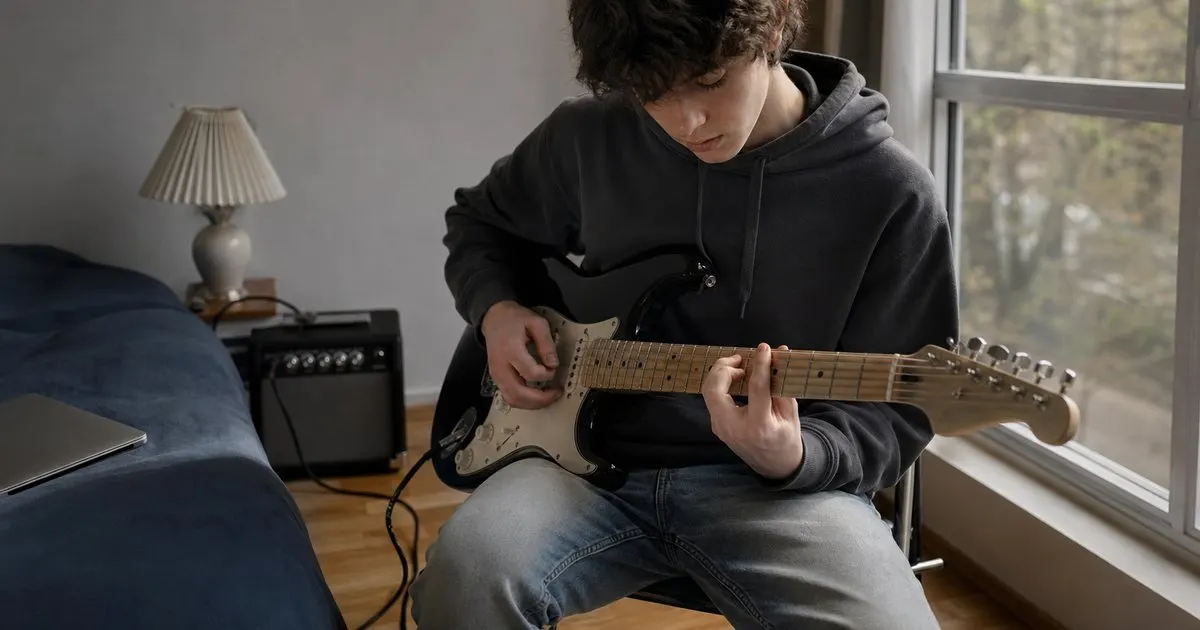
Distracted minutes barely count
An hour of half-attention with a phone nearby produces less than twenty focused minutes. Time logged is only meaningful when attention is actually on the work. Related: How Do You Practice Effectively When You Only Have Fifteen Minutes a Day?
The clock does not measure learning. Focus does.
Keep reading: How Can Students Build a Daily Practice Habit That Actually Sticks?, What Makes a Practice Streak Motivating Instead of Stressful for Young Learners?, Why Does Logging Practice Time Improve Progress in Music and Sports?. See how PracticeLoggr helps you music and sport practice logging for students.
Deliberate practice targets weak spots
Quality practice works on the hard parts, the passage that trips you up, the skill just out of reach, rather than replaying what you already do well.
Minutes spent on comfortable repetition feel productive but move you little.
Fatigue turns time counterproductive
Past a point, tired practice reinforces mistakes and sours motivation. A shorter, sharp session can beat a long, exhausted one. Related: How Can Students Build a Daily Practice Habit That Actually Sticks?
Knowing when to stop is part of practicing well.
Use minutes as a floor, quality as the aim
A minutes goal builds the habit, which is valuable, especially early on. But as a student matures, the log should prompt attention to how the time was spent, not just how much. Related: What Should a Piano Student Write in a Practice Log Besides Minutes Played?
Track time to build consistency, and focus on quality to build skill.
- Distracted minutes produce far less than focused ones
- Quality practice targets weak spots, not easy repetition
- Tired practice can reinforce mistakes; know when to stop
- Use minutes to build the habit and quality to build skill

Julien Jimenez
Julien Jimenez is an independent software builder based in Paris. He designs, ships, and operates focused SaaS products for small businesses and independent professionals. Read the full author page.
Frequently asked questions
Does a minutes goal still have value for practice?
Yes, especially early on. Tracking time builds the consistency and habit that skill later depends on. As a student matures, the log should also prompt attention to how that time was spent, not just how much.
What does deliberate practice focus on?
Deliberate practice works on the hard parts, the passage that trips you up or the skill just out of reach, rather than replaying what you already do well. Comfortable repetition feels productive but moves you little.
Turn daily practice into visible progress
Music and sport practice logging for students. PracticeLoggr is built to help you put this into practice.
Start a practice logMore from the PracticeLoggr blog



Get the PracticeLoggr playbook
Practical guides on practice logging, straight to your inbox as we publish them. No spam, unsubscribe any time.