What Should Coaches Look for When Reviewing a Student's Practice Log?
A practice log is a window into a student's week. Here is what a coach should read in it beyond the raw numbers.
Read the rhythm of the week first, valuing steady consistency over one huge session followed by empty days. Check the notes to see whether the student is working the right things or avoiding hard parts, watch for signs of struggle or a plateau, and use the log to open a conversation, never to scold.
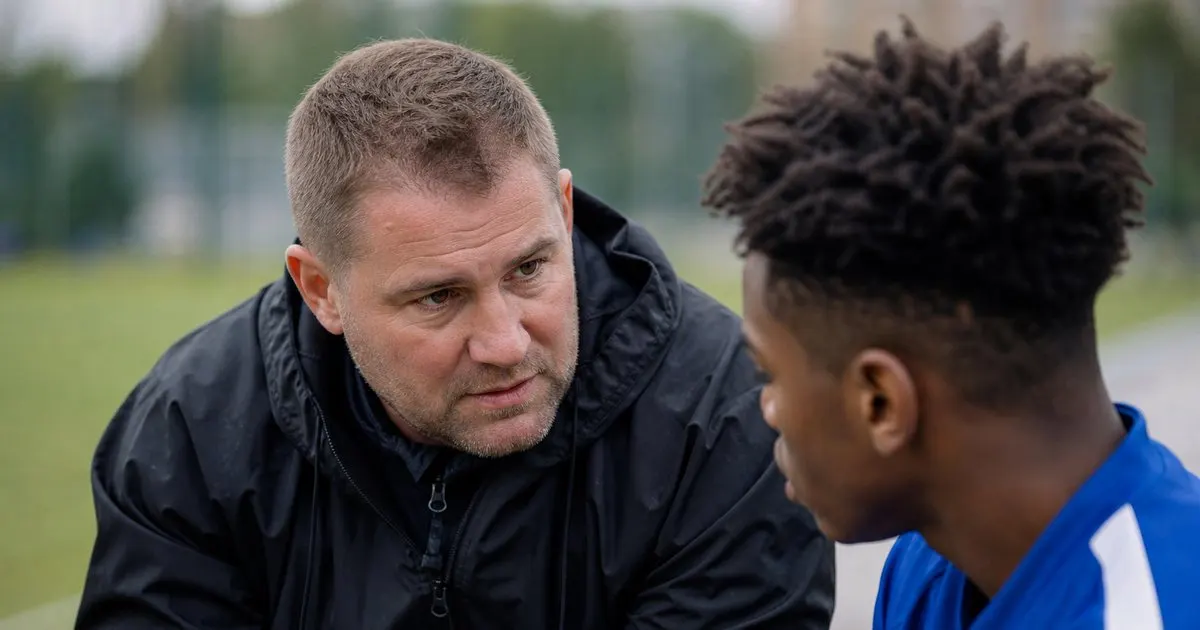
Consistency over occasional bursts
A log that shows steady, regular practice tells a better story than one with a huge session followed by empty days. Consistency is what builds skill. Related: When Is Practice Quality More Important Than Total Minutes Logged?
Look first at the rhythm of the week, not the single biggest day.
Keep reading: How Can Students Build a Daily Practice Habit That Actually Sticks?, What Makes a Practice Streak Motivating Instead of Stressful for Young Learners?, Why Does Logging Practice Time Improve Progress in Music and Sports?. See how PracticeLoggr helps you music and sport practice logging for students.
What the student is working on
Session notes reveal whether a student is practicing the right things or avoiding the hard parts. That tells a coach where to direct the next lesson. Related: What Should a Piano Student Write in a Practice Log Besides Minutes Played?
The content of practice matters as much as the amount.
Signs of struggle or plateau
A log can hint at frustration, a drop in practice after a tough skill, or repeated notes about the same sticking point. These are cues to step in and help. Related: Why Does a Student Plateau After Months of Consistent Practice and Careful Logging?
The log surfaces problems a student might not say out loud.
Use it to open a conversation
The log is a starting point, not a verdict. A coach should use it to ask good questions and understand the week, not to scold over a low number.
Approached that way, the log strengthens the coaching relationship.
- Value consistency over occasional big sessions
- Read the notes to see what the student is actually working on
- Watch for signs of struggle or a plateau
- Use the log to start a conversation, not to scold

Julien Jimenez
Julien Jimenez is an independent software builder based in Paris. He designs, ships, and operates focused SaaS products for small businesses and independent professionals. Read the full author page.
Frequently asked questions
What in a practice log signals a student is struggling?
A drop in practice after a tough skill, repeated notes about the same sticking point, or hints of frustration all suggest struggle or a plateau. These are cues for a coach to step in and help.
Why use a practice log to start a conversation rather than judge?
The log is a starting point, not a verdict. Using it to ask good questions and understand the week, instead of scolding over a low number, strengthens the coaching relationship and surfaces problems the student might not voice.
Turn daily practice into visible progress
Music and sport practice logging for students. PracticeLoggr is built to help you put this into practice.
Start a practice logMore from the PracticeLoggr blog


Get the PracticeLoggr playbook
Practical guides on practice logging, straight to your inbox as we publish them. No spam, unsubscribe any time.